Monument Signs in Laramie, Wyoming
Monument signs create a strong first impression at your property entrance. Durable, professional, and built to withstand Wyoming's tough climate.
Stone & Masonry
Classic stone and brick monument signs with lasting durability and timeless appeal.
Metal Monument Signs
Modern steel and aluminum monument sign frames — sleek, strong, and weather-resistant.
HDU Foam Carved
Lightweight, paintable, and weather-resistant carved sign panels that mimic wood or stone.
Digital Message Centers
LED digital displays integrated into monument sign bases — update messaging in real time.
Monument Sign Projects
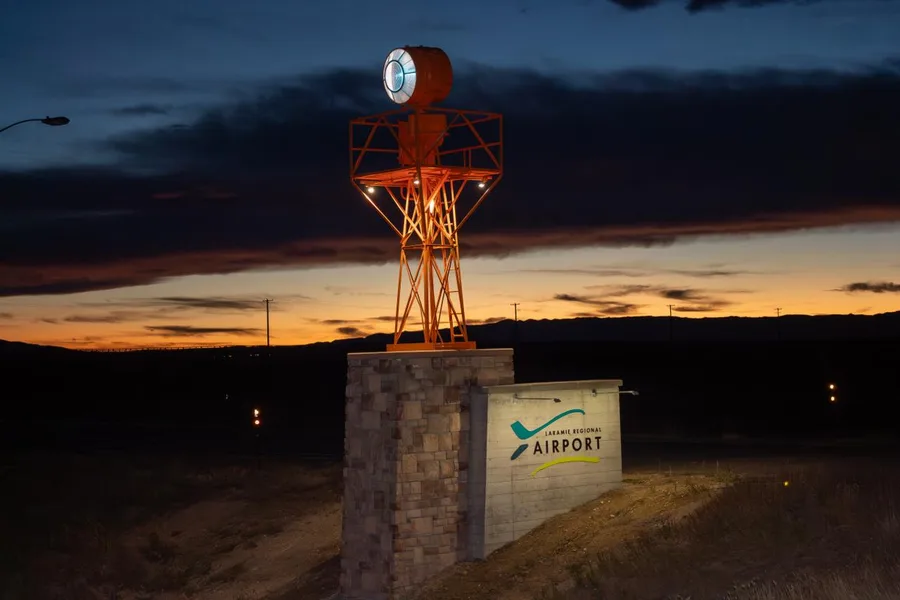
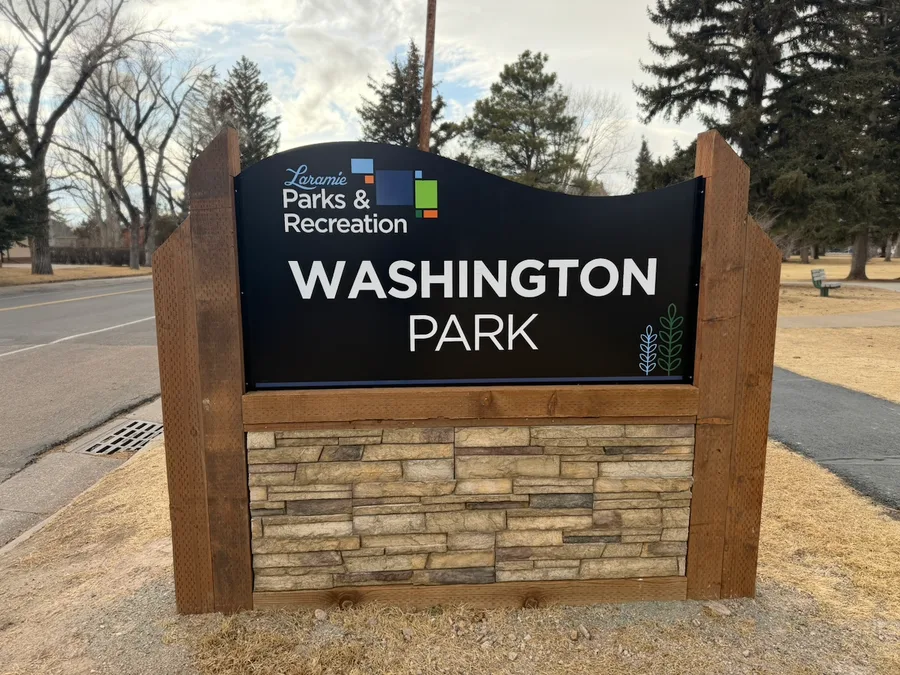
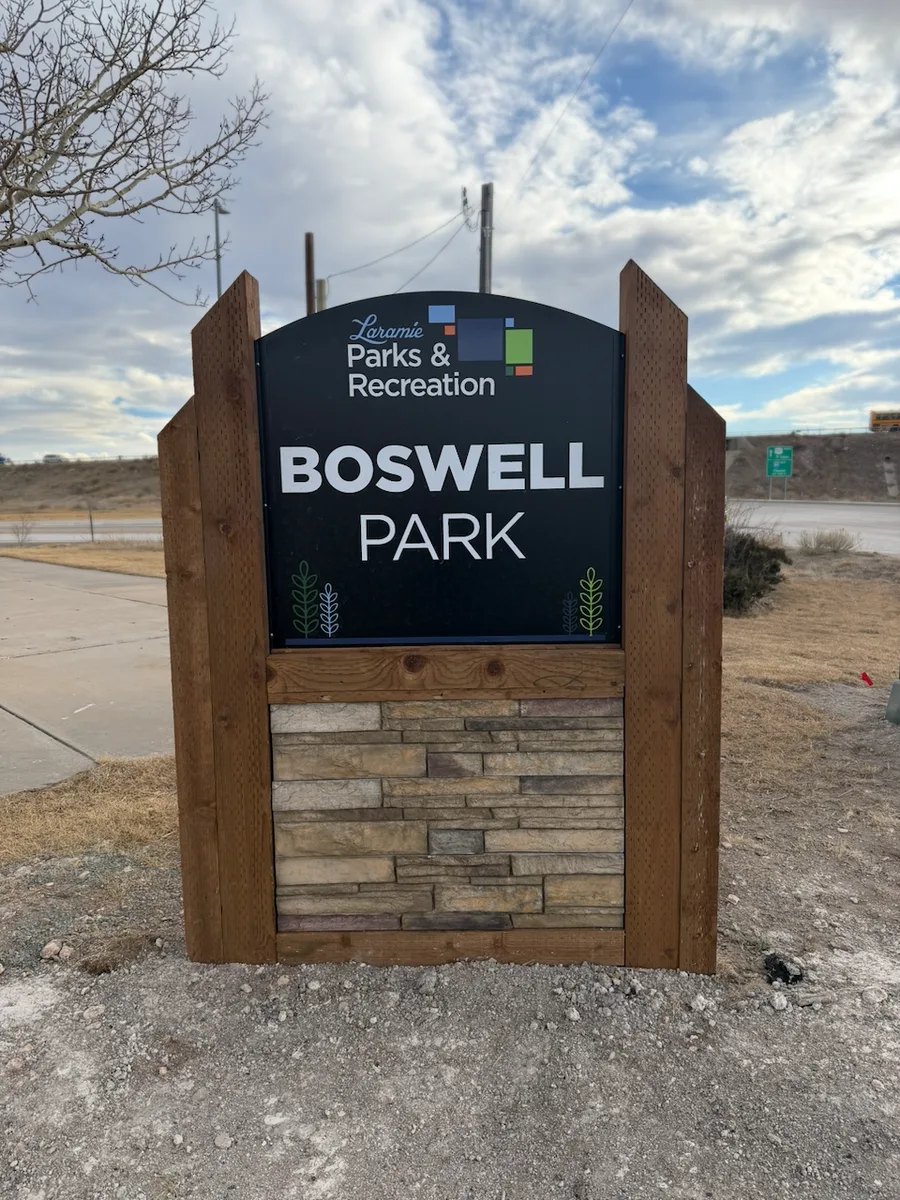
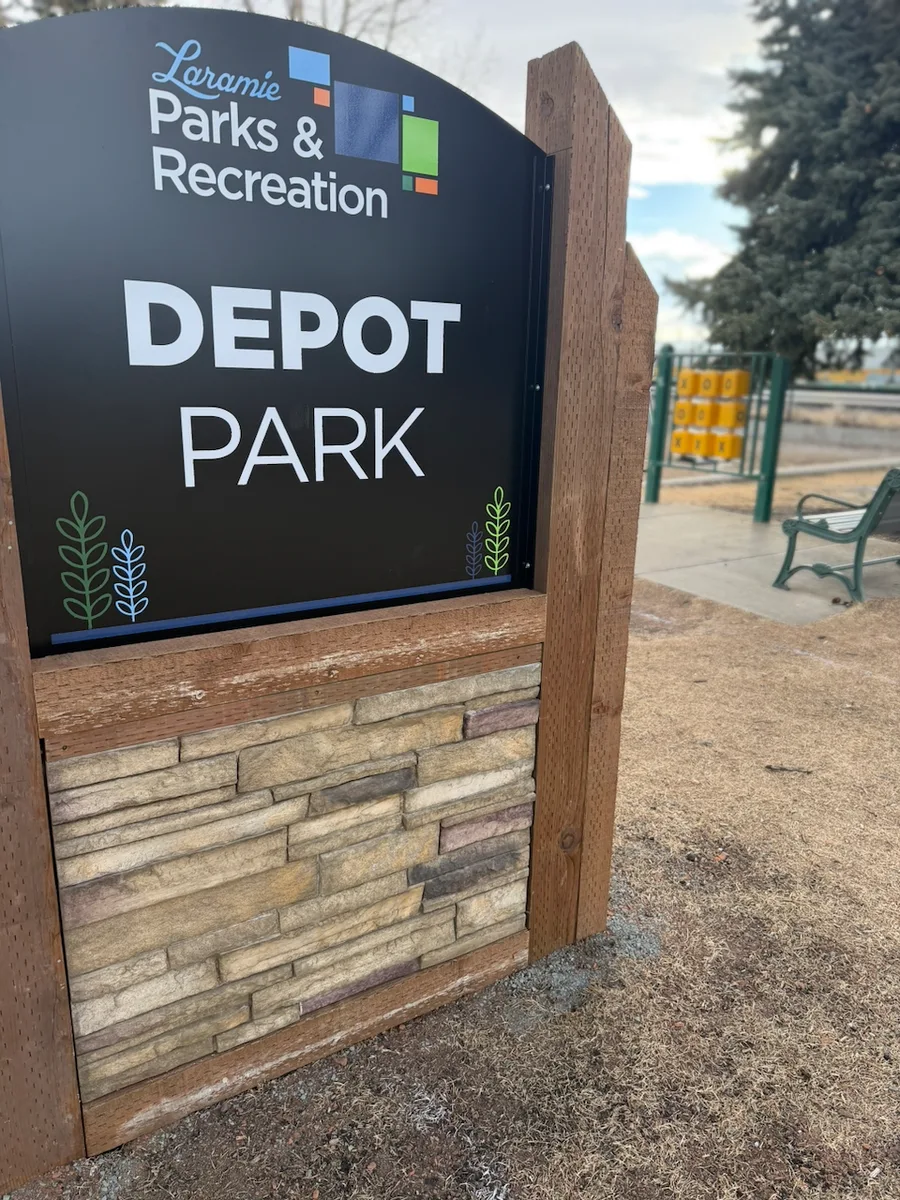
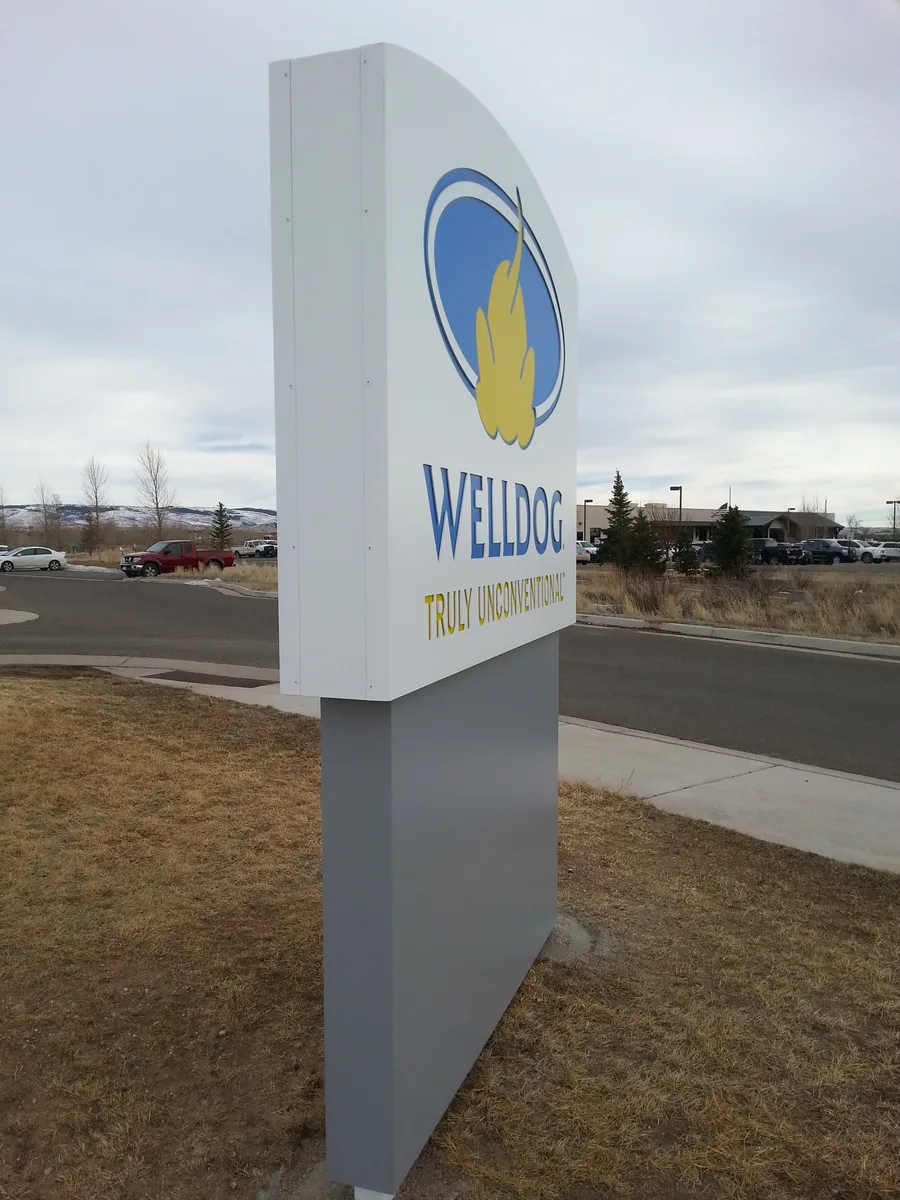
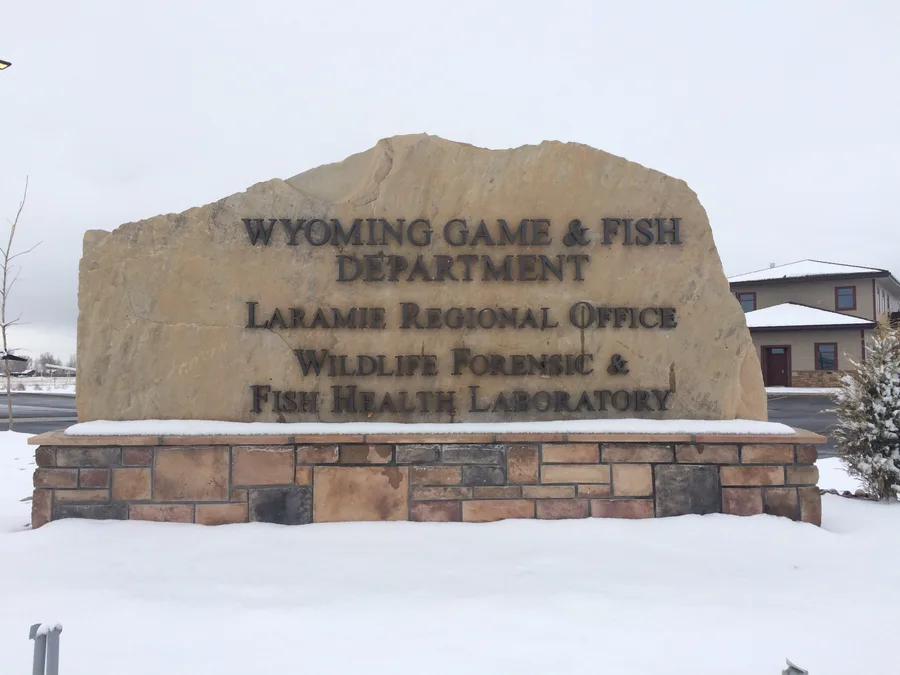
Monument Sign Base & Material Options
The base of your monument sign is just as important as the sign face itself. It sets the tone for your brand, anchors the structure against Wyoming winds, and determines how long the sign will hold up. American Paintbrush works with a wide range of base materials so every monument sign matches the architecture, budget, and personality of the property it represents.
Stone & Masonry Bases
Natural stone veneer is the most popular choice for monument signs in Laramie and across Wyoming. We work with sandstone, flagstone, and other regional stone veneers that complement the landscape and local building materials. Brick is another strong option — we can match the brick on your existing building for a seamless look. Stone and masonry bases carry a timeless Western heritage aesthetic that resonates with the Wyoming ranch tradition and are virtually maintenance-free once installed.
Metal Monument Frames
For a modern or industrial look, metal monument frames deliver clean lines and exceptional durability. Corten (weathering) steel is a favorite for ranch entrances and Western-themed businesses — it develops a rich rust-colored patina over time that protects the underlying steel and looks better with age. Aluminum powder-coated frames offer a sleek, contemporary finish in any color and resist corrosion without maintenance. For premium applications, stainless steel provides a polished or brushed finish that holds up to decades of Wyoming weather without showing wear.
HDU Foam Carved Signs
High-density urethane (HDU) foam is a lightweight, paintable, and highly weather-resistant material that can be CNC-carved into virtually any shape, texture, or relief. HDU mimics the look of carved wood or stone at a significantly lower cost and weight. It won't rot, crack, or attract insects like natural wood, making it an ideal choice for businesses and ranches that want a sign that stands up to Wyoming's extreme weather without the expense of a full masonry build. Our CNC router produces razor-sharp details and consistent results every time.
Timber Accents
Nothing says Wyoming like real wood. We incorporate reclaimed barn wood, rough-hewn cedar, and other timber elements into monument sign designs for an authentic ranch feel. Timber accents can be combined with stone, metal, or HDU bases to add warmth and character. All wood elements are sealed and treated for outdoor use, but we always advise clients that wood requires periodic maintenance — re-staining or sealing every few years — to keep it looking its best.
Monument Sign Illumination Options
An unlit monument sign disappears after dark. Illumination extends your sign's visibility to 24 hours a day and dramatically increases its impact. American Paintbrush offers multiple lighting solutions depending on your location, electrical access, and design goals.
Internal LED Cabinet Illumination
Internal illumination lights the sign face from behind using energy-efficient LEDs housed inside a sealed aluminum cabinet. The result is bright, even light that's visible from highway distances — ideal for gas stations, hotels, restaurants, and any business that depends on drive-by traffic. LED modules last 50,000+ hours, so you won't be replacing bulbs every year.
External Ground-Mounted Uplights
Ground-mounted LED uplights cast light upward across the sign face, creating dramatic shadows and an architectural look that feels high-end. This is a popular choice for stone and masonry monuments where you want to highlight the texture of the base material. Uplights are also easier and less expensive to install than internal illumination because the sign cabinet doesn't need to be light-tight.
Solar-Powered Options
Many ranch entrances, rural subdivisions, and remote properties in Albany County don't have electrical service at the sign location. Solar-powered monument sign lighting solves this problem. A small solar panel charges a battery during the day, and LED lights run automatically from dusk to dawn. No trenching, no electrician, no monthly electric bill. Solar is also a great fit for properties where running electrical conduit would require additional permits or easements.
Backlit Channel Letters on Monument Base
Combining individually illuminated channel letters with a monument sign base gives you the best of both worlds: the permanence and presence of a monument structure with the bold nighttime visibility of channel letter signage. This is a common configuration for medical offices, churches, office parks, and commercial properties that need strong identification from the road.
LED Message Centers
Digital LED message centers can be integrated into a monument sign base, giving you the ability to change messaging remotely from your phone or computer. Churches use them for service times and event announcements. Schools display schedules, closures, and congratulations. Businesses promote daily specials, sales events, and seasonal hours. Laramie has specific brightness and animation restrictions for digital signs, and we ensure every installation meets local sign code requirements.
HOA & Subdivision Monument Sign Requirements
If your property is in a homeowners association or a planned subdivision in the Laramie area, your monument sign will likely need to comply with specific design guidelines. American Paintbrush has experience navigating HOA and subdivision requirements across Albany County and can help you design a sign that satisfies the rules while still standing out.
Common Laramie HOA Restrictions
- Maximum sign height (often 4–6 feet from grade)
- Maximum sign face area (commonly 32–64 square feet total)
- Approved base materials (stone veneer, brick, or stucco to match community aesthetics)
- Color palette restrictions to ensure cohesion with neighborhood architecture
- Illumination rules — some HOAs prohibit internally-lit signs or digital displays
- Setback requirements from property lines and roadways
Variance Process for Non-Conforming Designs
If your desired sign design doesn't conform to existing HOA or city zoning rules, a variance may be an option. The process typically involves submitting detailed plans, attending an HOA board meeting or city planning hearing, and demonstrating that the sign won't negatively impact the surrounding area. American Paintbrush prepares professional renderings and specification sheets to support your variance application.
Working with Property Management Companies
For commercial properties managed by a property management firm, we coordinate directly with the management company on tenant sign criteria, approval workflows, and installation scheduling. This is especially common with multi-tenant monument signs where each business gets a dedicated panel within a shared sign structure.
Multi-Tenant Monument Signs
Shopping centers, business parks, and office complexes often require a single monument sign that identifies all tenants. American Paintbrush designs multi-tenant monuments with individual changeable panels — when a tenant moves out, we swap their panel without touching the rest of the sign. This keeps the sign looking fresh and professional as your tenant mix evolves. Learn more about business sign costs including multi-tenant configurations.
Foundation Engineering for Wyoming Monument Signs
A monument sign is only as strong as its foundation. In Wyoming, where frost heave, high winds, and difficult soil conditions are facts of life, proper foundation engineering isn't optional — it's the single most important factor in a monument sign's longevity. American Paintbrush engineers every foundation to local conditions, not generic national standards.
Frost Depth in Albany County
The accepted frost depth in the Laramie area is 36 inches or deeper. American Paintbrush pours all monument sign foundations at a minimum of 42 inches — six inches below the frost line — to provide a safety margin against frost heave. Frost heave occurs when moisture in the soil freezes and expands, pushing the footing upward and cracking the sign structure. Going deeper than code minimum is cheap insurance against expensive repairs down the road.
Laramie Soil Conditions
Much of the Laramie area sits on clay-heavy, expansive soil that swells when wet and shrinks when dry. This seasonal movement puts lateral pressure on foundations and can shift a poorly-engineered sign structure over time. We account for these soil conditions by oversizing footings, adding drainage gravel beneath the pad, and specifying reinforcement that resists lateral forces — not just downward loads.
Reinforced Concrete Footings
Every monument sign foundation we build uses reinforced concrete with rebar. The rebar cage ties the footing together so it acts as a single rigid unit rather than cracking under stress. For larger stone-clad monuments, we use #5 rebar on 12-inch centers with vertical rebar extending into the sign's internal steel frame for a monolithic connection between the foundation and the structure above.
Helical Piers for Difficult Soil
In areas with particularly unstable or waterlogged soil, helical piers (screw piles) provide an alternative to traditional spread footings. Helical piers are steel shafts with helical plates that are driven into stable soil or bedrock below the problem layer. They're fast to install, don't require excavation, and provide exceptional holding power in conditions where conventional footings might settle or shift.
Sonotube vs. Formed Footings
For smaller monument signs, Sonotube (cardboard form tube) footings are a cost-effective solution — they create clean cylindrical piers that are quick to pour and cure. Larger or heavier monuments require formed footings — rectangular pads formed with lumber or steel forms that spread the load over a wider area. The choice depends on the sign's total weight, soil bearing capacity, and wind load calculations.
Weight Bearing Calculations
A stone-clad monument sign can easily exceed 2,000 pounds — and some large masonry monuments weigh considerably more. The foundation must support this dead load plus dynamic wind loads (Wyoming wind loads are among the highest in the country) without settling or shifting. We calculate bearing requirements for every project and size the footing accordingly, ensuring your sign stays plumb and level for decades. Read more about protecting signs from Wyoming's extreme weather.
What Affects Monument Sign Cost?
Monument sign pricing depends on several factors that interact with each other. Understanding these variables helps you make informed decisions about where to invest and where to economize. Here's what drives the final number on your monument sign quote:
- Base material: Stone veneer and real brick are the most expensive base options. Stucco over CMU block is mid-range. HDU foam panels are the most affordable. Corten steel falls in between depending on the design complexity.
- Size and height: Larger signs require more material, a bigger foundation, and heavier structural steel. Taller signs face higher wind loads and may require engineered drawings stamped by a licensed PE.
- Illumination type and electrical work: An unlit sign is the least expensive. Ground-mounted uplights add moderate cost. Internal cabinet illumination costs more. Backlit channel letters on a monument base add the most. Electrical trenching and hookup are separate line items.
- Foundation engineering: Standard soil conditions need a basic reinforced footing. Expansive clay, high water tables, or helical pier requirements add to the foundation cost. Deeper footings for frost protection are standard in Wyoming but cost more than warmer climates.
- Sign face material and complexity: A flat panel with vinyl graphics is the simplest and least expensive sign face. Dimensional letters, routed aluminum panels, and backlit acrylic faces cost progressively more. Multi-color and multi-layer designs add fabrication time.
- Permit fees and engineering stamps: Laramie sign permits have associated fees. If your sign requires a structural engineering stamp (common for signs over 6 feet tall or with wind exposure), that's an additional professional fee. American Paintbrush includes permit management in every project.
Frequently Asked Questions
How deep does a monument sign foundation need to be in Wyoming?
Do I need a permit for a monument sign in Laramie?
Can you build a monument sign for a remote ranch entrance?
How long does a monument sign last in Wyoming weather?
What's the difference between stone veneer and real stone?
Can I add a digital message center to my monument sign?
Built for Wyoming Weather
Monument signs take a beating in Wyoming — 60+ mph winds, sub-zero winters, intense summer sun, and everything in between. That's why American Paintbrush builds every monument sign to exceed expectations, not just meet them.
We start by engineering the foundation. Depending on soil conditions, your monument may need a concrete footing, helical piers, or a reinforced slab. We work with local contractors to ensure the base is rock solid. The sign structure itself is fabricated with aluminum or steel frames, clad in your choice of stone veneer, real brick, stucco, or HDU panels.
Our in-house design team creates detailed CAD drawings showing dimensions, materials, colors, and illumination options. We handle sign permits and variance applications with the city so you don't have to worry about code compliance. From the first shovel to the final light check, American Paintbrush manages the entire project.
01
Design & Permits
CAD drawings, material selections, and city permit applications.
02
Fabrication
Metal frame, cladding, sign faces, and electrical components.
03
Site Installation
Foundation, assembly, electrical hookup, and final inspection.
Monument Sign Pricing in Wyoming
Monument sign costs vary widely based on materials, size, and whether illumination is included.
Foundation, permitting, and installation are typically included. Get an exact quote for your project.
Ideas to Get You Started
- → Stone-clad monument with illuminated channel letters on top — the classic look for churches, medical offices, and office parks.
- → Modern aluminum monument with an LED message center — update specials, events, and hours from your phone.
- → Multi-tenant monument sign for a shopping center or business park — changeable tenant panels let you swap names easily.
- → Carved HDU monument sign with a rustic Wyoming feel — perfect for ranches, lodges, and rural businesses that want character.
- → Internally-lit cabinet monument for 24/7 visibility — ideal for gas stations, hotels, and highway-facing businesses.
Related Services
Beyond Signs
Not just signs — we do it all.
American Paintbrush has a full in-house graphic design and branding department. From logo design and brand identity to print collateral, social media graphics, and digital marketing — we've got you covered. Whether you're starting from scratch or refreshing an existing brand, our designers work alongside our sign team to ensure everything looks cohesive.
Learn About Our Digital ServicesGet a Free Quote
Contact us today for a free consultation and estimate on monument signs.